


Competition The Next House: USA
The Village Within
Belonging is not a social program. It is a spatial condition.
The American suburban house has long represented an attainable dream. Today, that promise is fading. From the optimism of the 1940s Case Study Houses to the excess of the McMansion era, the single-family home has drifted away from the families it was meant to serve. Without rethinking how we design neighborhoods, homeownership risks becoming a privilege rather than a possibility.
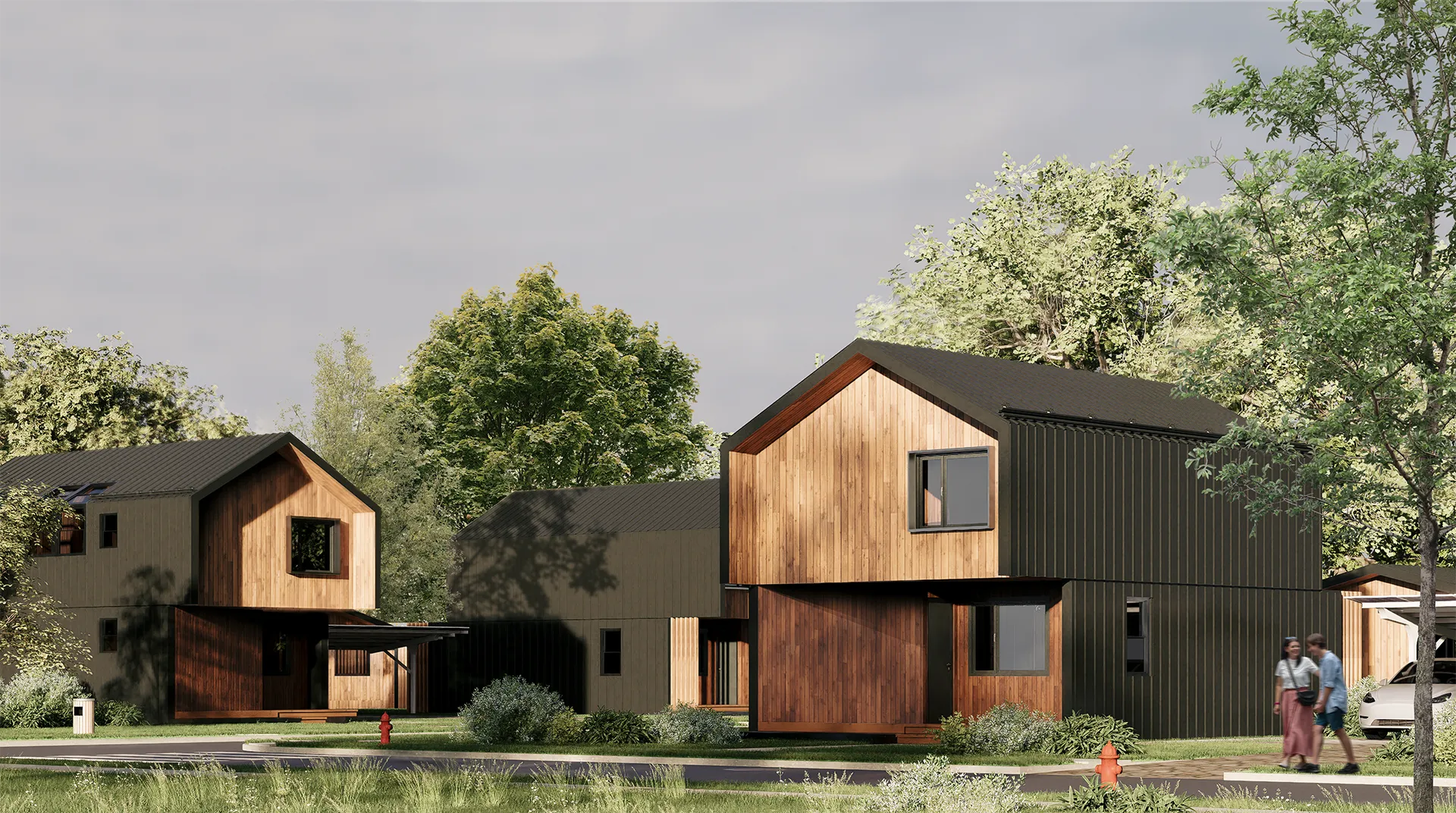
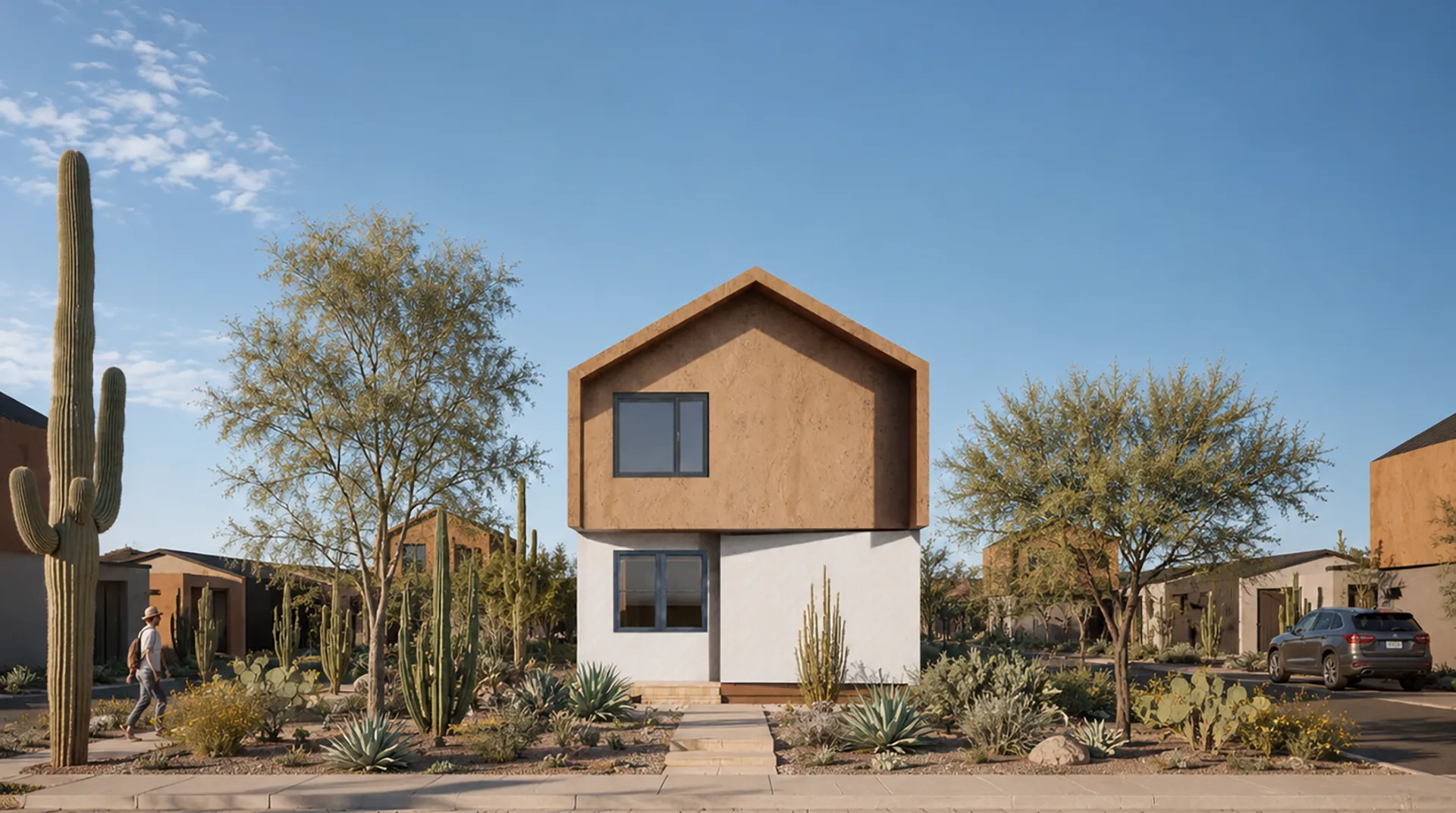
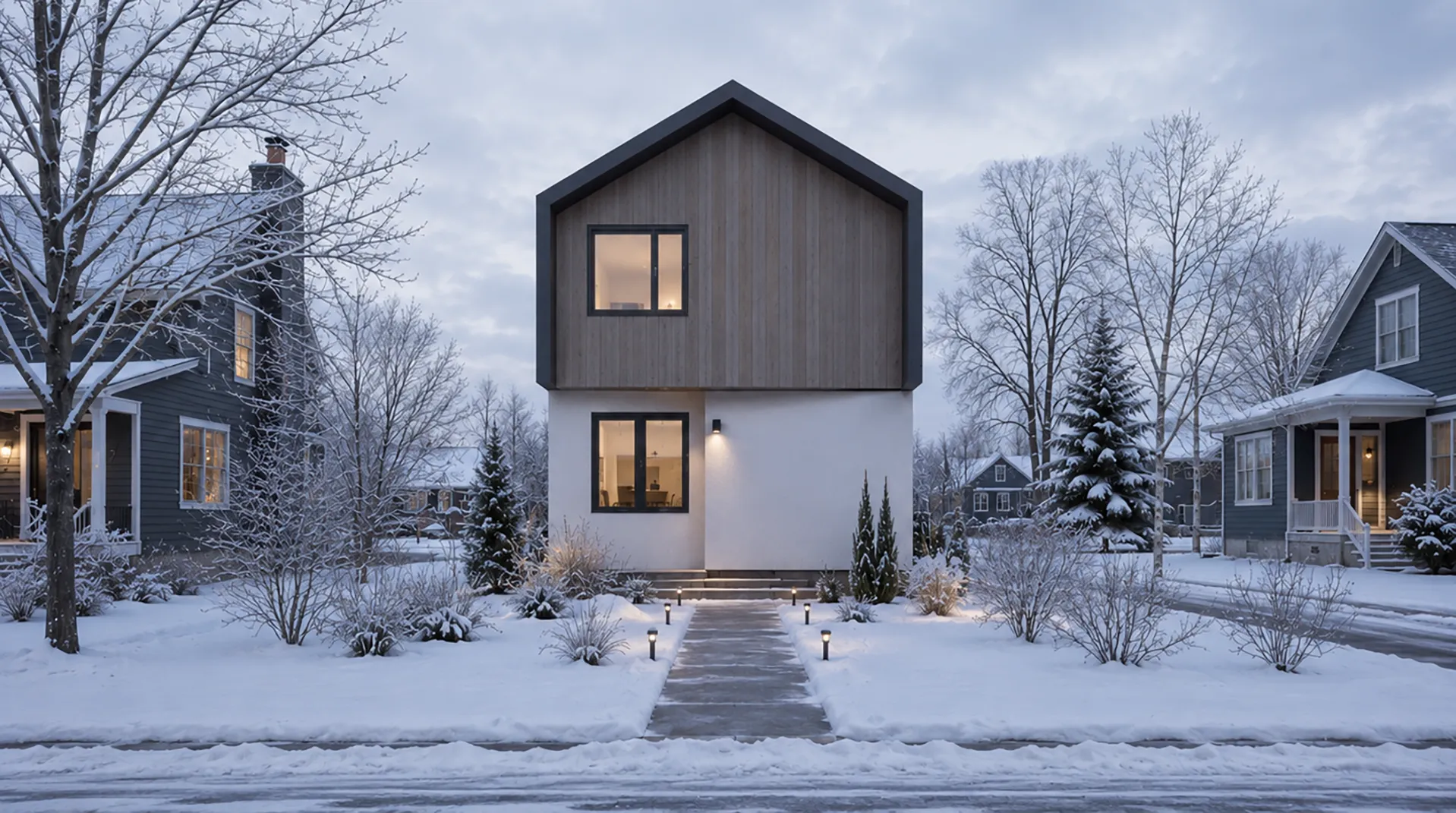
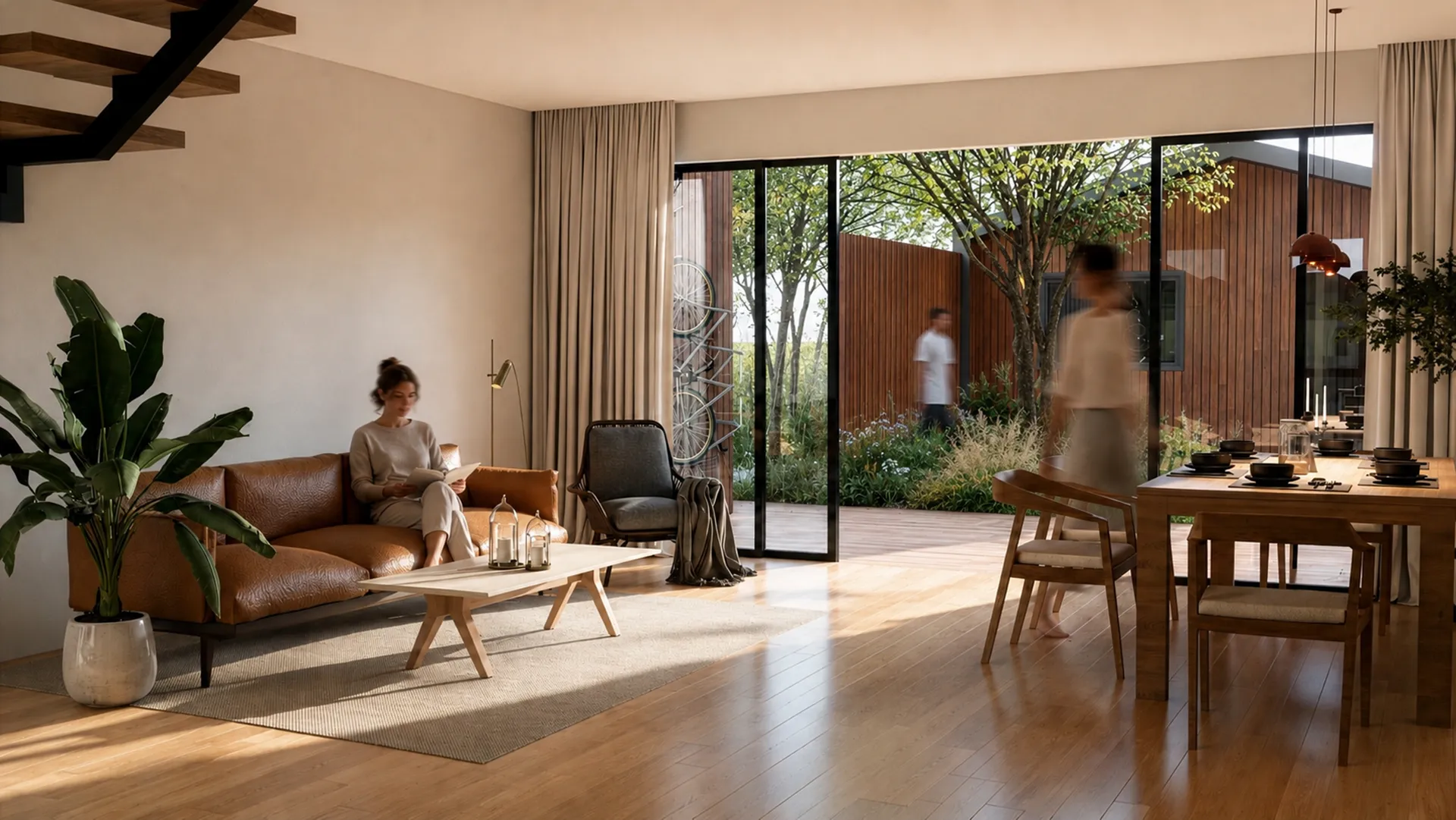
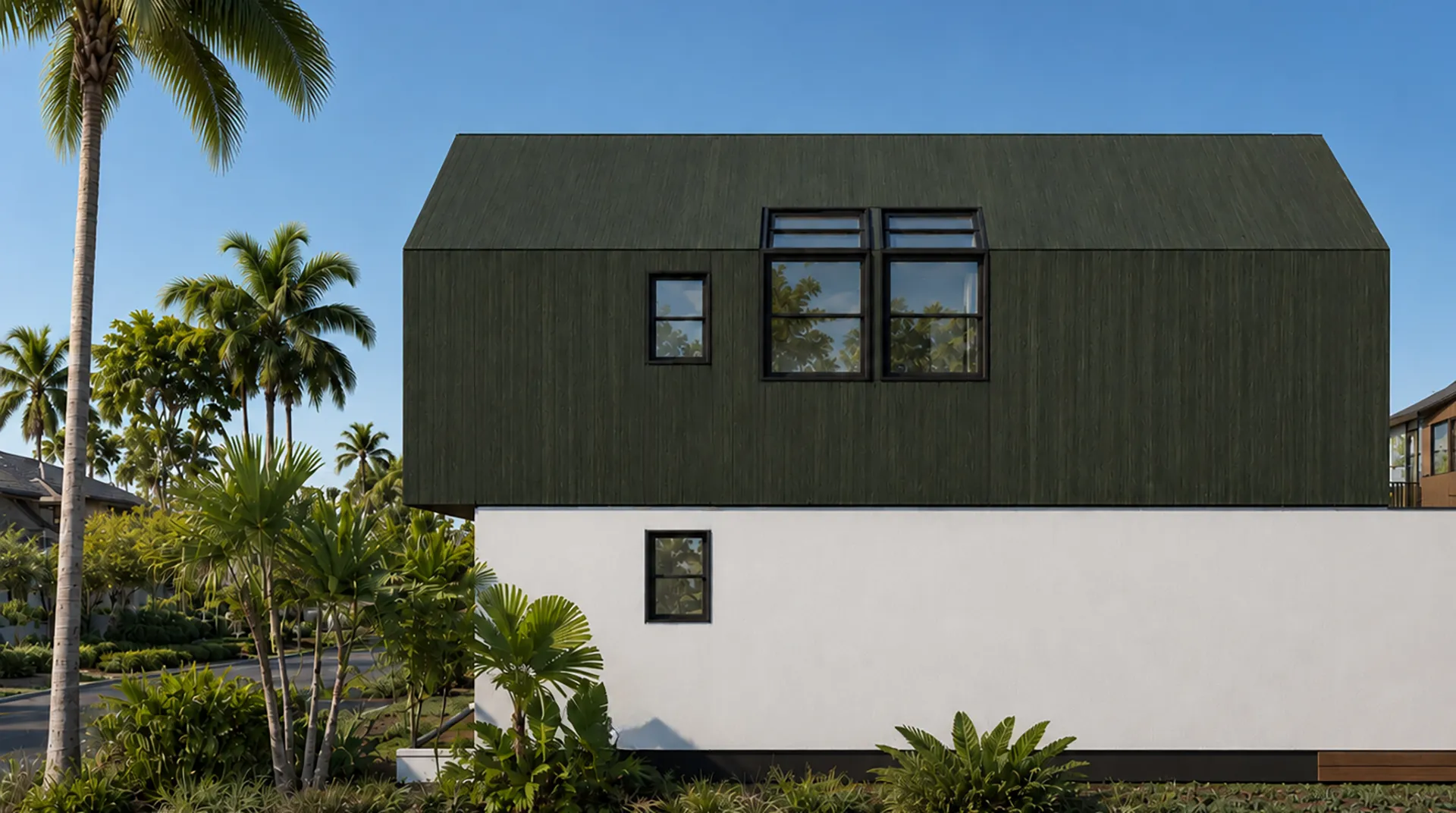
This project responds by addressing four interconnected challenges—affordability, adaptability, community, and sustainability—on a modest 7,200-square-foot lot. Designed for the full lifecycle of a family, the home evolves as its occupants’ needs change.
At its core is an integrated Accessory Dwelling Unit (ADU): first a studio or workspace, later a source of rental income, and eventually a home for aging parents. Rather than an addition, the ADU becomes the home’s financial and social engine, supporting multiple generations while preserving independence.
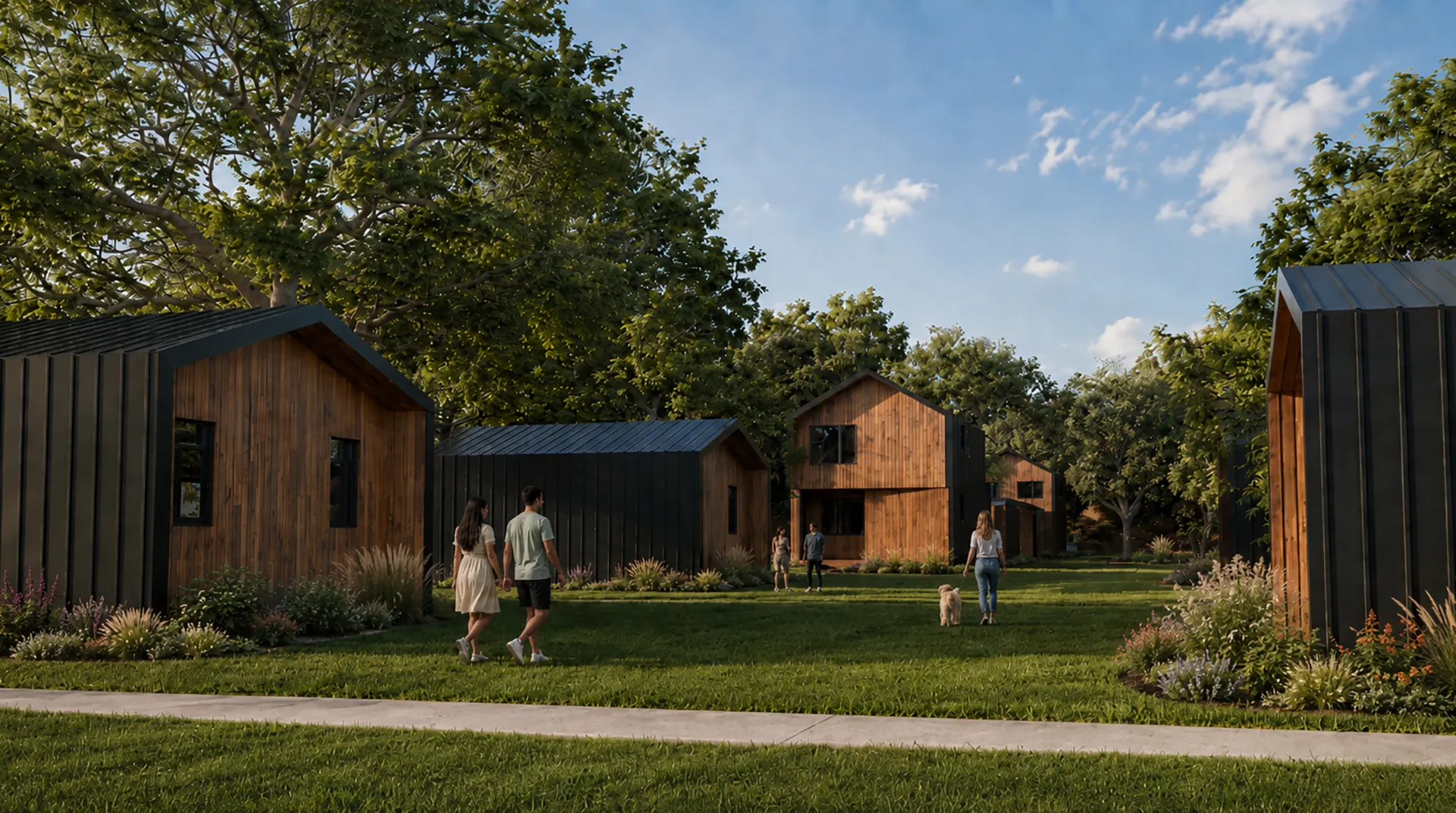
The neighborhood strategy is equally intentional. Homes are organized around a shared quadrant with a communal driveway and solar carport, replacing individual garages and prioritizing green space. The result is a neighborhood where shared outdoor spaces encourage everyday interaction, making community a natural outcome rather than a planned amenity.
Project Details:
- Location: Springfield, Illinois, United States
- Year: 2026


